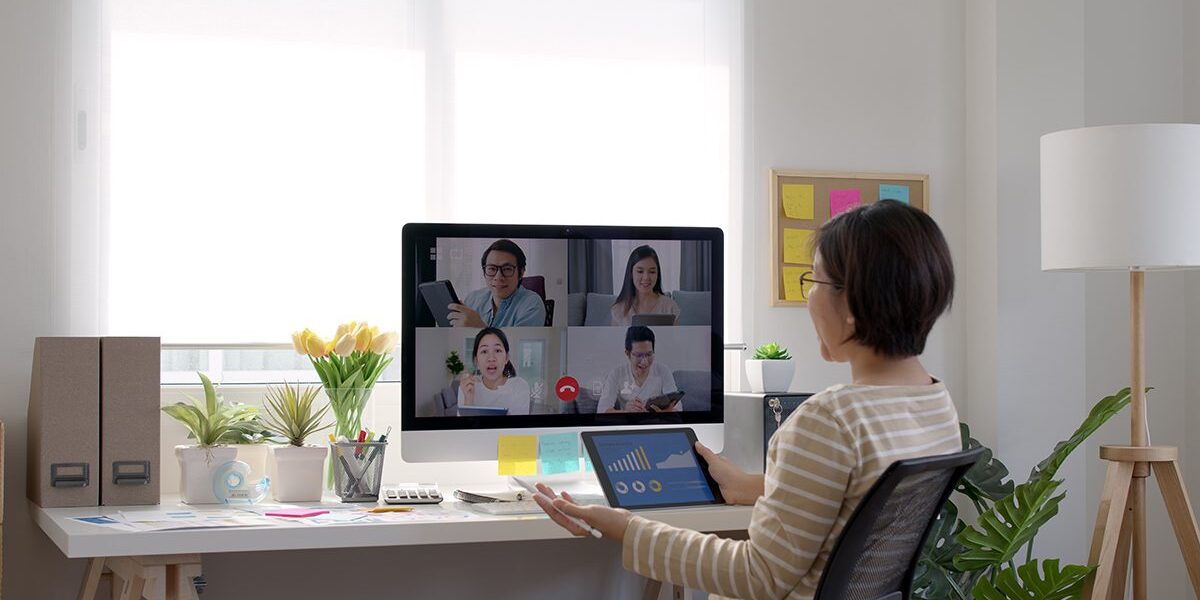
The way businesses operate has fundamentally changed—and by 2026, remote and hybrid work environments are no longer optional. They are a strategic requirement. For small to midsized businesses, especially those competing in fast-moving markets, the ability to
Support remote office solutions reliably and securely has become a defining factor in productivity, resilience, and growth.
Modern remote work is no longer about simply letting employees log in from home. It depends on a carefully designed ecosystem of remote IT infrastructure,
Cloud-based office systems, secure networks, and centralized management that allow businesses to operate seamlessly—regardless of location.
Here’s how remote office solutions are transforming modern businesses in 2026, along with the benefits and challenges leaders need to understand.
The Shift to Distributed Work Environments
By 2026, many organizations no longer operate from a single physical office. Instead, they rely on distributed office technology that connects employees across home offices, satellite locations, and shared workspaces.
This shift is driven by:
- Employee demand for flexibility
- Access to broader talent pools
- Business continuity planning
- Rising real estate and operational costs
To succeed in this model, companies must move beyond traditional on-premise systems and invest in modern remote office solutions that deliver consistency, security, and performance across all locations.
Remote IT Infrastructure as the Foundation
At the core of every successful remote environment is a strong remote IT infrastructure. This includes secure connectivity, centralized identity management, reliable access to applications, and systems designed for uptime and scalability.
Unlike legacy office networks, remote infrastructure must:
- Support users connecting from multiple locations
- Maintain consistent performance
- Enable centralized monitoring and control
- Adapt quickly as teams grow or change
Without a solid infrastructure, remote work introduces risk, downtime, and frustration for both employees and leadership.
Cloud-Based Office Systems Enable Agility
One of the most significant drivers of transformation is the widespread adoption of cloud-based office systems. These platforms allow employees to access files, applications, and collaboration tools securely from anywhere, without relying on physical servers in a single office.
Cloud-based systems offer:
- Improved scalability as businesses grow
- Faster onboarding for new employees
- Built-in redundancy and disaster recovery
- Easier integration with modern business tools
For many organizations, moving critical systems to the cloud is what makes long-term remote work practical—and sustainable.
Virtual Desktop Solutions and Office Virtualization
To maintain control and security while supporting remote users, many businesses are turning to virtual desktop solutions and office virtualization.
With virtual desktops:
- Business data stays in a secure data center or cloud environment
- Employees access a consistent desktop experience from any device
- IT teams can manage updates, patches, and security centrally
Office virtualization reduces reliance on individual devices and lowers the risk of data loss, while simplifying support and compliance across a remote workforce.
Remote Network Management Across Locations
As offices become distributed, network complexity increases. Remote network management allows IT teams to monitor, secure, and optimize networks across multiple locations without being physically present.
This includes:
- Proactive monitoring for performance issues
- Centralized security policy enforcement
- Rapid response to outages or threats
- Visibility into bandwidth and usage trends
Combined with cloud-managed networks, businesses gain greater reliability and control, even as employees work from different cities—or different states.
Cloud-Managed Networks Power Reliability
Cloud-managed networks have become a cornerstone of modern remote office solutions. They allow businesses to manage firewalls, Wi-Fi, and security policies centrally through cloud dashboards, rather than relying on manual, location-based configuration.
Benefits include:
- Faster deployment of new locations or remote users
- Consistent security standards across the organization
- Reduced downtime through proactive alerts
- Simplified troubleshooting and updates
Business Benefits of Supporting Remote Office Solutions
When implemented correctly, remote office solutions deliver measurable business advantages:
- Increased productivity through flexible, reliable access to systems
- Improved employee retention by supporting modern work expectations
- Reduced downtime with proactive monitoring and redundancy
- Scalability without major infrastructure investments
- Stronger business continuity during disruptions
Challenges Businesses Must Address
Despite the benefits, remote office infrastructure introduces challenges that must be managed proactively:
- Security risks from unmanaged devices or networks
- Performance issues caused by inconsistent connectivity
- Limited visibility into remote systems without proper tools
- Complexity as environments scale
These challenges highlight why many organizations partner with experienced IT providers who specialize in designing, securing, and supporting remote environments.
Preparing for the Future of Work
Remote office solutions are now a permanent evolution in business operations. In 2026, success depends on a unified strategy spanning infrastructure, cloud systems, virtual desktops, and network management.
About Crescent IT Systems
For over 30 years, Crescent IT Systems has helped Houston-area small and midsized businesses implement and support secure, scalable IT solutions. From remote office infrastructure and cloud systems to cybersecurity and ongoing managed IT support, we help businesses stay productive without the stress of managing technology alone.
Have questions? Call us today to schedule a quick call to identify gaps in your remote IT and reduce downtime before it impacts your business.